About This Video
Arnie Gundersen expresses concerns that the nuclear industry and the Nuclear Regulatory Commission are not addressing major safety issues that have become evident since Fukushima. These issues include serious design flaws in the BWR Mark 1 containment, fundamental flaws in the Boiling Water Reactor vessel design, and problems with detonation shockwaves. The NRC and the nuclear industry are using a flawed cost benefit computer code that underestimates the value of human life and minimize property damages after an accident, which has the effect of justifying continued operation of reactors without safety modifications.
Fairewinds also announces the launch of the Japanese language version of its site, Fairewinds.jp
Video Transcript
[tabgroup][tab title="English"]
Arnie Gundersen: Hi. I'm Arnie Gundersen from Fairewinds.
It's been about three weeks since we posted a video, although there have been a couple radio interviews posted. That doesn't mean we haven't been busy here at Fairewinds. I have been doing expert witness testimony but more importantly Maggie and Kevin have been busy converting Fairewinds.com to Fairewinds.jp which will be a Japanese translation of our website. I’d like to thank a large number of dedicated Japanese speakers who have worked with us in translating all these videos into Japanese. Today is the first day that Fairewinds.jp and Fairewinds.com will be broadcasting the same material. Thank you very much to those volunteers.
In the last several months the Nuclear Regulatory Commission (NRC) issued a review of safety as a result of the Fukushima accident. They just published their report in several key areas that they wanted to look at in more depth. That report is on our website but more importantly the Union of Concerned Scientists, acting as a watchdog over the NRC, has issued a critique of that initial nuclear regulatory report. We posted that Union of Concerned Scientists critique as well, and there are important lessons that the NRC has identified but more importantly there are issues that the Union of Concerned Scientists have recognized where the NRC needs to really put their money where their mouth is and not just study safety issues but actually implement safety changes.
Well today what I would like to talk about are four things that are not in the NRC 's report that I really think should be in the NRC's report. They are the containment, the reactor, the explosion and the last thing called Severe Accident Mitigation Analysis. The first thing is the containment on this boiling water reactor and the 35 other boiling water nuclear reactors that are exactly like that. Back in February, about three weeks before the accident, Maggie and I were walking and Maggie said, “You know we are doing a lot of expert reports and we are finding a lot of problems,” and she asked me, “Where do you think the next accident will occur?” I said I don't know where but I know for sure it will be in a Mark 1 boiling water containment. Well that's what the Fukushima reactors were: Mark 1 containments. This picture of a boiling water container was taken in the 70's. This is identical to the Fukushima reactors. Let me walk you through this.
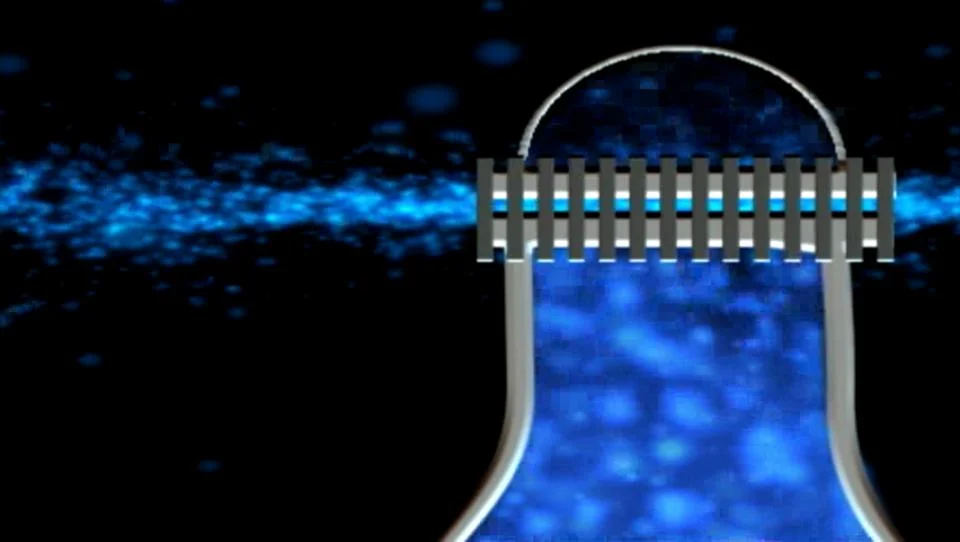
There's two pieces to the containment, the top looks like an upside down light bulb and that's called a drywell. Inside there is where the nuclear reactor is. Down below is a doughnut looking thing called a torus and that's filled almost all the way with water. The theory is that if the reactor breaks steam will shoot out through the light bulb into the doughnut creating lots of bubbles which will reduce the pressure. This thing is called the pressure suppression containment. At the bottom of that picture is the lid to the containment. When it's fully assembled that lid sits on top. The containment is about 1 inch thick. Inside it is the nuclear reactor that is about 8 inches thick. We will get to that in a minute. This type of containment was designed in the early 70's, late 60's, and by 1972 a lot of people had concerns with the containment. I want to read to you a NRC memo from 1972 that talks about the problems of this pressure suppression containment:
"Steve's idea to ban the pressure suppression containment scheme is an attractive one. However, the acceptance of the pressure suppression containment system by all elements of the nuclear field including regulatory and the advisory committees on reactor safeguards is firmly embedded in conventional wisdom. Reversal of this hallowed policy, especially in this time could well lead to the end of nuclear power. It would throw into question the operation of licensed plants and it would generally create more turmoil than I can stand."
So in the early 70's the NRC recognized this containment system was flawed. In the mid-70's they realized the forces were in the wrong direction: instead of down they were up, and large straps were put into place. Well then in the 80's there was another problem that developed. After the Three Mile Island [accident], they realized this containment could explode from a hydrogen build up. That had not been factored into the design in the 70's, either. What they came up for this containment was a vent in the side of it. The vent is designed to let the pressure out and a containment is designed to keep the pressure in.
So, rather than contain this radioactivity engineers realized if the containment were to survive an explosion, they'd have to open a hole in the side of it called a containment vent. These vents were added in the late 1980's and they were not added because the NRC demanded it, what the industry did to avoid that [demand] was to create an initiative. They put them in voluntarily. That sounds really in fact very proactive, but in fact it wasn't. If the NRC [had] required it, it would have opened up the license on these plants to citizens and scientists that had concerns. By having the industry voluntarily put these vents in it did two things. One, it did not allow any public participation in the process to see if they were safe and the second thing is it did not allow the NRC to look at these vents and say that they were safety related, in fact, it sidetracked the process entirely.
These vents were never tested until Fukushima. This containment was never tested until Fukushima. In fact it failed three times out of three tries. In retrospect, we shouldn’t be surprised.
Looking at the procedures for opening these vents in the event electricity fails requires someone fully clad in radiation gear to go down to an enormous valve in the bowels of plant and turn the crank two hundred (200) times to open it. Now, can you imagine: in the middle of a nuclear accident, with steam, and explosions, and radiation, expecting an employee to go into the plant and turn a valve two hundred times to open it? So, that was the second band-aid fix that failed on a containment that, forty years earlier, was designed too small.
Well, with all this in mind, I think we really need to ask the question: should the Mark 1 containment even be allowed to continue to operate? The NRC’s position is, “Well, we can make the vents stronger.” I don’t think that’s a good idea.
Now, all those issues that I just talked about are related to the Mark 1 containment. The next thing I’d like to talk about is the reactor that sits inside that containment. So, that light bulb and that doughnut are the containment structure. Inside that is where the nuclear reactor is. On a boiling water reactor, the nuclear control rods come in at the bottom. On a pressurized water reactor they come in from the top. All of the reactors at Fukushima, and 35 in the world with this design, come in from the bottom. That poses a unique problem and an important difference that the NRC is not looking at right now. If the core melts in a pressurized water reactor there are no holes in the bottom of the nuclear reactor. It’s a very thick eight to ten inch (8-10 Inch) piece of metal that the nuclear reactor core would have to melt through. But that didn’t happen at Fukushima. Fukushima was a boiling water reactor. It’s got holes in the bottom. When the nuclear core lies on the bottom of a boiling water reactor like Fukushima, or the ones in the U.S., or others in Japan, it’s easier for the core to melt through because of those sixty (60) holes in the bottom of the reactor. It doesn’t have to melt through eight inches of steel. It just has to melt through a very thin-walled pipe and scoot out the hole in the bottom of the nuclear reactor.
I’m not the only one to recognize that holes at the bottom of a boiling water reactor are a problem. Last week an email came out that was written by the Nuclear Regulatory Commission right after the Fukushima accident where they recognized that, if there’s a core meltdown and it’s now lying as a blob on the bottom of the nuclear reactor, these holes in the bottom of the reactor form channels through which the hot molted fuel can get out a lot easier and a lot quicker than a thick pressurized water reactor design. This is a flaw in any boiling water reactor, and the Nuclear Regulatory is not recognizing that the likelihood of melting through a boiling water reactor like Fukushima is a lot more significant than the likelihood of melting through a pressurized water reactor. The third area is an area we’ve discussed in depth in a previous video. That area is that the explosion at Unit 3 was a detonation, not a deflagration. It has to do with the speed of the shockwave. The shockwave at Unit 3 traveled faster than the speed of sound, and that’s an important distinction that the Nuclear Regulatory Commission, and the entire nuclear industry is not looking at. A containment can’t withstand a shockwave that travels faster than the speed of sound, yet all containments are designed assuming that doesn’t happen. At Fukushima [Unit] 3, it happened. We need to understand how it happened and mitigate against it in the future on all reactors. Now, I measured that. A scale the size of the building against the speed at which the explosion occurred, and determined that that shockwave traveled at around a thousand miles per hour. The speed of sound is around six hundred feet per second (600 ft/sec) so, if this is what I think it is, it could cause enormous damage to a containment. They are not designed to handle it. Yet, the NRC is not looking at that.
So, we’ve got three key areas where the NRC and the nuclear industry don’t want people to look, and [those are, one]: should this Mark 1 containment even be allowed to operate? Two: are boiling water reactors more prone to a melt-through than a pressurized water reactor? And the third is: can containments withstand a detonation shockwave?
If the nuclear industry wants to implement a safety change, they have to do something called a cost-benefit analysis. What that means is the cost to implement the change has to be exceeded by the benefits to society if the change is made. This brings me to the last point today which is called “SAMA,” S, A, M, A. It stands for Severe Accident Mitigation Analysis. It uses a really fancy computer code that calculates exactly what the costs are to society in the event of a big accident. Those costs are in terms of human life, and they’re in terms of damages to property. The computer code is wrong. It’s been known to have been wrong for a long time, but it continues to be in use. The Nuclear Regulatory Commission puts the lowest possible value on a human life of any of the agencies in Washington. And, the cleanup after an accident is also artificially low. The net effect is that when a cost to make a modification is compared against the benefits to society, this computer code distorts the benefits and lowers them. So, it appears that there’s no need to make the change because the costs are too high and the benefits to you and I, and society, are too low. Fukushima has taught us that that’s just not true. The costs to clean up Fukushima are going to be in the hundreds of billions of dollars U.S. [The costs will be] at least two hundred billion dollars U.S. And yet, this computer code that the Nuclear Regulatory Commission uses never, ever, calculates a high number like that. Unless we adjust the cost/benefit analysis, what will happen is: as the Nuclear Regulatory Commission identifies problems that should be corrected, their own computer code will show that it’s not justified, that the risks to society are really too low, that we don’t need to spend that money. The problem is in the computer code, and until we upwardly adjust the cost of a human life, and the cost of damage to property we won’t be able to come up with an effective way of judging the costs and the benefits of these safety modifications.
Well, that about sums it up. There are at least three key areas that the Nuclear Regulatory Commission and the nuclear industry, both in Japan and the United States, are not looking at: containment design, boiling water reactor vessels, and detonation shockwaves. But, no matter what they look at, if they don’t do the cost/benefit analysis right and properly evaluate the cost to society, none of these changes will be implemented.
Again, I’d like to thank our Japanese viewers and welcome them to Fairewinds.jp, and also to thank all of our viewers over the last one hundred and seventy days, and thank them for watching Fairewinds.com.
[/tab][tab title="日本人"]
フェアウインズによる日本語サイトの紹介と、福島原発のようなすべての原子炉設計における安全性に関する問題の特定
ガンダーセン氏は原子力業界と原子力規制委員会(NRC)が、福島原発の事故以来明らかになった重要な安全性に関する問題点を注視していない、という懸念を述べています。これらの問題点には、深刻な沸騰水型原子炉マーク1型格納施設の設計上の欠陥、沸騰水型原子炉格納容器の根本的な欠陥、デトネーション衝撃波に関わる問題があります。NRCと原子力業界は、欠陥のあるコンピュータープログラムをコストと利益の計算に使用しており、それは健康と安全を考慮した人間生活の価値と事故後の私財に対する損害を低く見積もるものです。そしてこのプログラムは、安全性のための調整なしに、原子炉操業を続けるかの判断に影響を与えているのです。
また、フェアウインズはこのサイトの日本語版、Fairewinds.jpのリリースを発表しています。
こんにちは。フェアウインズのアーニー・ガンダーセンです。前回ビデオを発表してから3週間になります。もっともその間に、いくつかのラジオインタビューを発表しています。それは私たちフェアウインズが忙しくしていなかったわけではありません。私は専門家証人としての陳述を行っていました。
それよりお伝えしたい重要なことは、マギーとケビン・ハーレイさん(当サイトのクリエイター)がFairewinds.com の日本語翻訳となるFairewinds.jpの作成のため多忙であったということです。ここで、これらビデオの日本語翻訳のため、私たちとともに献身してくださった、数多くの日本語翻訳者の皆さんに感謝を伝えたいと思います。今日は、Fairewinds.jp と Fairewinds.comが同じ内容を放映する最初の日になります。ボランティアとして協力してくださった皆さん、本当にありがとう。
ここ数ヶ月間、原子力規制委員会(NRC)は福島原発事故を受けての原子力安全性の見直しを発表しています。彼らは、自分たちがより深く調べたいいくつかのキーエリアについて、独自の報告書を発表しているだけです。それらNRCによるレポートは私たちサイトにもありますが、より重要なことは、NRCの監視活動を続けている、憂慮する科学者団体(the Union of Concerned Scientists)が最初の原子力規制に関する報告書の批評を発表したことです。
私たちも、この憂慮する科学者団体の批評をこのサイト上に投稿しました。その中にはNRCが特定した重大な教訓が書かれていますが、より重要なのは、憂慮する科学者団体が、NRCは口先だけでなくちゃんと責任をとるべきであり、ただ安全性に関する問題を学んだだけでなく、実際に安全なものとするための変化を実装するべきという認識が発表されていることです。
それで今日私がお話したいことは4つありまして、本来NRCの報告書に記載されるべきものであると思うのですが、彼らの報告書には書かれていません。その4つとは、格納容器について、原子炉について、爆発について、そして最後がシビアアクシデント緩和戦略と呼ばれるものについてです。
最初に沸騰水型原子炉の格納容器についてです。他35機の各原子炉の沸騰水型原子炉もこれと同じです。今年2月、だいたい事故の3週間前のことです。マギーと私は歩いているとき、マギーが言いました。「私たちはこれまで多くの専門的な報告書を作成して、たくさんの問題を発見してきたじゃない。」そして彼女は尋ねました。「次に事故を起こすとしたらどこだと思う?」
私は、どこかは分からないけど、それはマーク1沸騰水型の格納容器になるだろう、と答えました。そうです、福島原発の原子炉はマーク1型の格納容器でした。この沸騰水型格納容器の写真は、70年代に撮影されたものです。これは福島原発の原子炉と同じものです。これを案内させてください。
ここに2枚の格納容器の写真があります。上の図は逆さにした電球のようですが、ドライウェルと呼ばれるものです。この中に核原子炉があります。下の図はドーナッツのように見えますがトーラスと呼ばれ、ほぼ全体は水で満たされるものです。理論上では、もし原子炉破損からの蒸気が電球(ドライウェル)から噴出し、ドーナツ(トーラス)に入るとたくさんの泡を生成し、圧力を下げることとなっています。これは圧力抑制格納容器と呼ばれるものです。図の底部は格納容器の蓋になります。完成時には、蓋は頂部に設置されます。
格納容器はだいたい1インチの厚さです。中には核原子炉があり、約8インチの厚さです。すこし説明させてください。このタイプの格納容器は、70年代初頭、60年代後半に設計されました。そして1972年までに、多くの人々が格納容器について懸念を持ちました。1972年のNRCのメモを紹介したいと思います。そこには、この圧力抑制格納容器の問題について述べられています。
「圧力抑制格納容器スキームに反対するスティーヴ氏のアイデアは、興味深いものだ。しかしながら、原子炉保証措置における規制と諮問委員を含む、すべての原子力分野の構成要素による圧力抑制格納容器の容認は、一般通念に深く埋め込まれたものだ。この神聖化されたポリシーを取り消すこと、とくに現時点でということは、原子力を終結へと導くものとなり得る。スティーヴ氏のアイデアは免許を受けている原子炉の操業に疑問を投げつけるものであり、全体として私たちが耐えられないような騒ぎを起こすであろう。」
そういうことで、70年代初頭には、NRCは格納システムに欠陥があることを認識していました。70年代中ごろには、彼らはその影響が悪い方へ向いていることを認識しました。彼らはそれを抑えず、大きな目板を被せました。それから80年代になり、別の問題が出てきました。スリーマイル島の事故のあと、水素の生成により格納容器が爆発しうることを彼らは認識したのです。このことは70年代の設計では想定されていません。これに対して彼らが行ったことは、格納容器内にベントを設置することでした。ベントは圧力を外に出すように設計されています。一方、格納容器は圧力を保つよう設計されています。
なので、放射能を封じ込めることより、エンジニアは格納容器を爆発させないため、格納容器ベントと呼ばれる穴を格納容器の側壁に開けなければならなくなったのです。これらベントは1980年代終わりに加えられました。1980年代後半に、これらベントは取り付けられましたが、NRCの要求によってのものではありません。原子力業界がNRCの要求を避けるためにしたことで、主導権を生み出しました。
原子力業界は自発的にベントを設置しました。これは実に積極的に聞こえるかもしれませんが、実はそうでもありません。もし、NRCがベント設置を要求していたなら、これら原発の免許について、懸念を抱く市民や科学者に攻撃機会を与えることになったわけです。原子力業界が自発的にベントを設置したことにより、2つのことが起こりました。
1つめは、このことにより、ベントが安全なものであるかどうか確認するプロセスへの市民の参加を許さなかったということです。2つめは、NRCがこれらベントをチェックすることや、安全性に関する発言を許さなかったことで、事実、プロセス全体からそらされてしまいました。
これらベントは福島原発の事故が起きるまで、試されることはありませんでした。格納容器も福島原発の事故が起きるまで、試されることはありませんでした。実際、3回中3回失敗しました。振り返れば、私たちは驚いているべきではないのです。
電力喪失という事故における、これらベントを開けるための手順、誰かに完全に防護服をまとい、発電所の中央にある大きなバルブのところまで降りていき、それを開放するために200回、クランクを回すことを要求することに目を向けてみましょう。今、想像できますか?原発事故の真っ只中、水蒸気、爆発、放射線がある中へ、作業員を発電所内へ送り込み、バルブを開けるために200回させることを。そういうことで、ベントは2次の救急ばんそうこう的な修理で、40年前に小さく設計しすぎた格納容器においてその機能を果たしませんでした。
この思考すべてから、私は考えます。私たちはこの質問に答える必要があると。マーク1型格納容器は操業を続けることが許されるのでしょうか?NRCの立場は、「私たちはベントを強化できる。」です。私はこれがいいアイデアだとは思いません。
これまでの私が話したすべての問題は、マーク1型格納容器に関わるものでした。次にお話したいことは、格納容器の中にある原子炉についてです。そうですね、この電球型とこのドーナッツ型は格納容器の構造になります。
格納容器の内側に核原子炉があります。沸騰水型原子炉において、核制御棒群はその底から入ってきます。加圧水型原子炉では、上部から入ってきます。福島原発のすべての原子炉、そして世界に35機あるこの設計の原子炉では、底から入ってきます。
このことは現在NRCが目を向けていない、独特な問題と重要な違いを持ち出しました。もし加圧水型原子炉で炉心が溶融した場合、その核原子炉の底には穴はありません。非常に厚い8〜10インチの金属の塊であり、各原子炉がメルトスルーしなければならないからです。しかし福島原発ではこうはなりませんでした。福島原発は沸騰水型原子炉だったのです。これは底に穴があります。
福島原発、アメリカまたは日本にある他の原子炉のような沸騰水型原子炉の底に、核炉心あるとき、その原子炉にとってメルトスルーは簡単に起こります。なぜなら原子炉の底に60の穴があるからです。8インチの鋼をメルトスルーする必要がないからです。ごく薄い囲まれている配管をメルトスルーし、各原子炉底の穴から抜け出しさえすればいいのです。
沸騰水型原子炉の底に穴があるという問題を認識しているのは、私だけではありません。先週、福島原発の事故の直後に、原子力規制委員会により書かれたメールが出てきました。彼らは福島原発で、もし炉心がメルトダウンしたら、そして小さな塊として原子炉底にたまったならば、これら原子炉底部の穴は、熱く落ちた燃料が厚い設計となっている加圧水型原子炉にくらべ物凄く簡単かつ迅速に、外へ出て行くことを可能とする伝達経路を形成することを認識していました。
これはどの沸騰水型原子炉にも共通の欠陥です。そして原子力規制委員会は、福島原発のような沸騰水型原子炉におけるメルトスルーの可能性は、加圧水型原子炉での可能性にくらべ物凄く高いことを認めていません。
3つ目の分野は前回のビデオで、私たちが深くお話した分野です。それは3号機の爆発がデトネーションであって、デフラグテーションではないとうことです。衝撃波のスピードについて考えなければなりません。3号機における衝撃波は、音速より速く伝わりました。このことは重要な特徴なのですが、原子力規制委員会、原子力業界全体は目を向けていません。
格納容器は、音速より速く伝わる衝撃波に耐えることができません。今のところ、すべての格納容器はそれが起こらないと想定して設計されているのです。福島原発3号機では、それが起きたのです。私たちはデトネーションがどのようにして起こり、どのようにそれに対して被害を小さくするかについて、将来的にすべての原子炉に対して理解する必要があります。今、私は計測してみました。爆発が起こった際のスピードに対する建物のサイズを。そして衝撃波は周辺を1000フィート毎秒で伝わるとしました。音速はおおよそ600フィート毎時ですので、私の考えているようなことが起きた場合、格納容器に甚大な被害を被ることになるでしょう。これに対処するよう設計されていないのです。未だに、NRCはこのことに目を向けていません。
そういう訳で、私たちは原子力規制委員会と原子力業界が人々に注目してもらいたくない3つのキーエリアを得ました。マーク1型原子炉は操業が許されるべきなのでしょうか?2つ目、沸騰水型原子炉は加圧水型原子炉に比べてメルトスルーが起こりやすいのではないでしょうか?そして3つ目、格納容器はデトネーション衝撃波に耐えうるのでしょうか?
原子力業界が安全性についての変革を望むなら、彼らは費用便益分析と呼ばれることをしなければなりません。これが意味することは、変革を実装するコストを、その変革が行われた結果社会にもたらされる利益が上回らなければいけないということです。これが今日最後のポイントで、SAMSと呼ばれています。これはシビアアクシデント緩和戦略を略したものです。
大惨事における社会に対するコストを正確に計算するために、実に想像的なコンピュータープログラムを使用します。これらコストは人間生活、つまり健康と安全を含めた見地と、私財への損害の見地から計算されるものです。コンピュータープログラムはよくありません。それはもう長い間、間違ったものであることが分かっているのですが、未だに使われています。
原子力規制委員会は、ワシントンにあるすべての省庁の中で最も可能な限り低い値を、人間生活について設定しています。事故後の浄化の有益性についても、人為的に低く見積もっています。全体の結果は、調整のためのコストが社会への利益と比較されるとき、このコンピュータープログラムは利益をゆがんだものとし、それを低くしているということです。なので、変革の必要がまったくないようにしているのです。コストがあまりにも高く、皆さんや私、社会の利益があまりにも低いからです。
福島の事故は、このコンピューターによる試算結果がまさに正しくないことを教えてくれました。福島を浄化するためのコストは、数千億USドルにもなるでしょう。少なくとも2000億USドルは必要でしょう。それでいて、原子力規制委員会が使用しているコンピュータープログラムは、決してこのような高い数値は出しません。私たちが費用便益分析に順応しなければ、起きるであろうことは、原子力規制委員会が正すべき問題を特定しているので、彼ら自身のコンピュータープログラムはそれ自体が正当なものでないこと、社会へのリスクがあまりに低く抑えられていること、私たちがお金を使う必要がないことを示すでしょう。問題はコンピュータープログラムにあり、私たちが健康と安全を考慮した人間生活へのコストと私財への損害を十分高く評価するまで、私たちはこれら安全性のための調整のコストと利益を判断する効果的な方法を考え出せないでしょう。
それでは、まとめましょう。現在、原子力規制委員会と日本、アメリカ両国の原子力業界が目を向けていないキーエリアがすくなくとも3つあります。格納容器の設計、沸騰水型原子炉圧力容器、そしてデトネーション衝撃波です。しかし、彼らがどれに目を向けるかに関わらず、彼らが正しい費用便益分析と社会に対するコストの適切な評価を行わなければ、これら変革はひとつも実施されないでしょう。
重ねて言います。私は日本の視聴者の皆さんに感謝しております。そしてFairewinds.jpへいらしてくれたことを歓迎します。また、これまでの170日間に視聴してくださったすべての方にも感謝しております。Fairewinds.comを見ていただき、ありがとうございました。
[/tab][/tabgroup]