
Join us tomorrow night Thursday, March 10th for a timely discussion about Ukraine and the commemoration of Fukushima Dai-ichi. We will examine the dangers of atomic power reactors in a war zone and also talk about how we work with our colleague Dr. Marco Kaltofen to study how minute microparticles of radioactivity spreads…
Whether it's plastic, mercury, or radioactivity, the entire world has treated our planet’s oceans as its sewage dump. As if we need more proof that Radioactivity Knows No Borders, three recent events prove the reality of our statements…

Special Event: We share with you an exciting opportunity to join the conversation exploring how visual and performing artists advocate for a nuclear-free world…
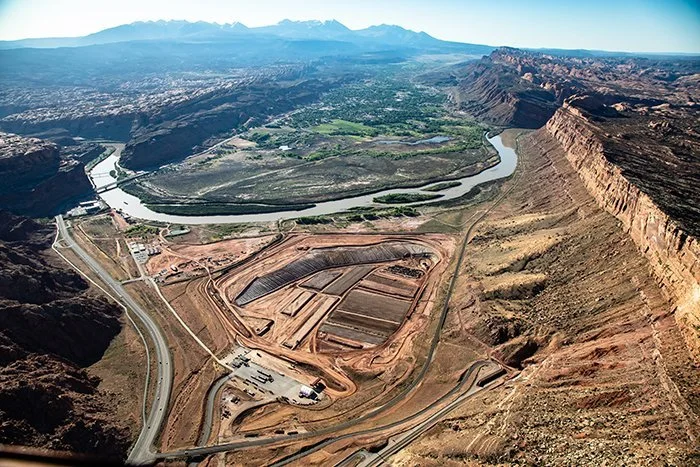
We share with you a symposium that will tell the womb to tomb story of Uranium. The presenters will discuss the roles and responsibilities of both Art And Science to analyze and reflect upon human use of the atom to generate electricity and create weapons…

We are proud to rebroadcast this Jenn Galler and BREDL production explaining the inherent dangers of atomic power and nuclear weapons wherever they may be around the country and worldwide. Listen to it here!
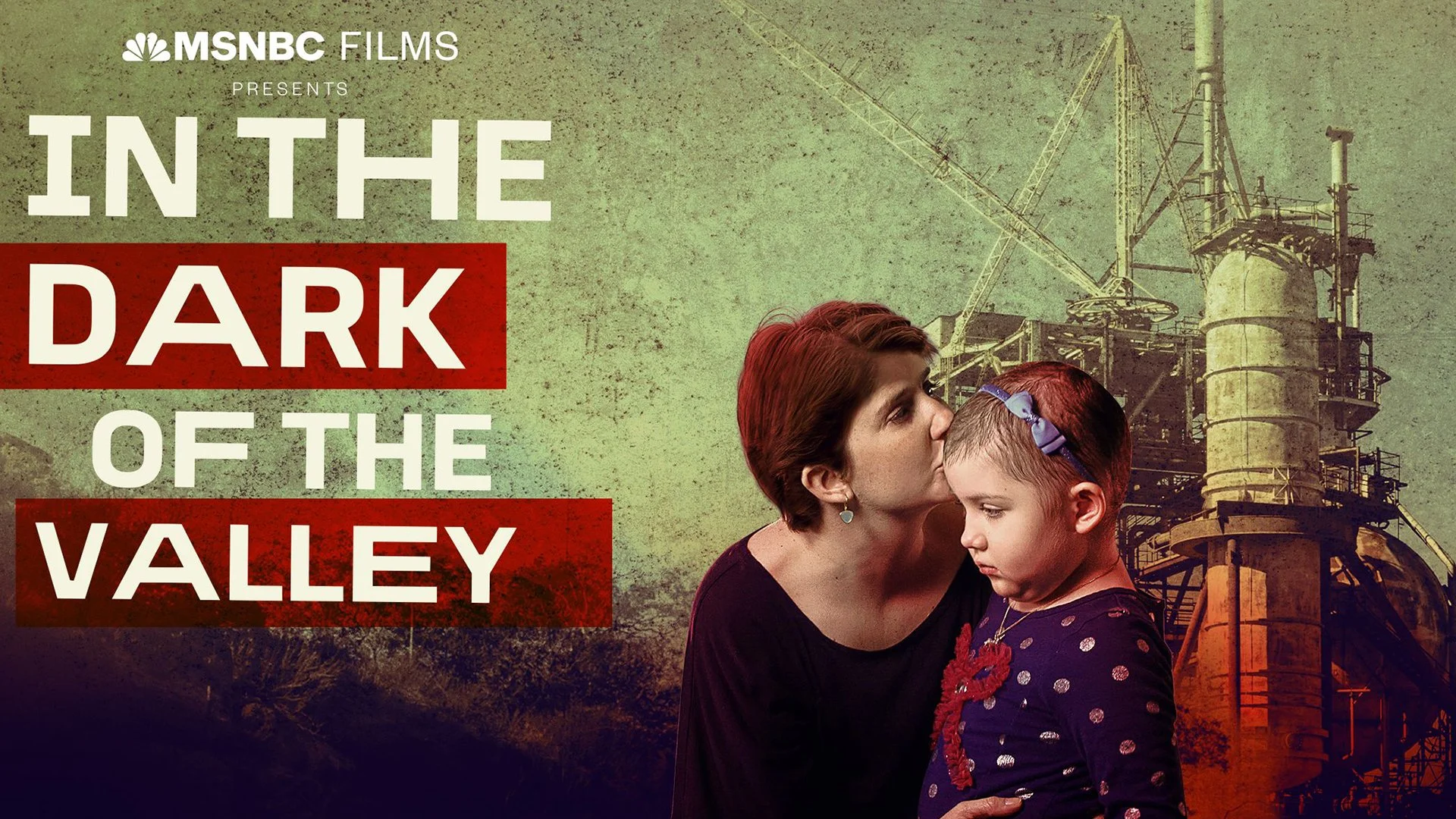
On Nov. 14th, in a brilliantly produced and acclaimed documentary entitled In the Dark of the Valley, MSNBC will widely share the stories of local community members, activists, and parents closest to the Santa Susana Field lab site…
In Take these Beautiful Words, Carmi Orenstein clearly unveils the history and ongoing Federal and State Government coverups of SSFL radiation leaks that have persisted for more than 60 years. We are grateful for her assertions…

Our latest Nuclear Hotseat interview is a nuanced discussion detailing how Fairewinds and Dr. Kaltofen developed protocols used by the community-volunteer citizen-scientists who performed the data collection for the Woolsey Fire project…

We know how to help. We know how to set up a similar program to bring environmental oversight and analyses to needy communities. Now, as we approach the end of 2021, we reach out to each of you for support for Fairewinds Environmental Science Research…
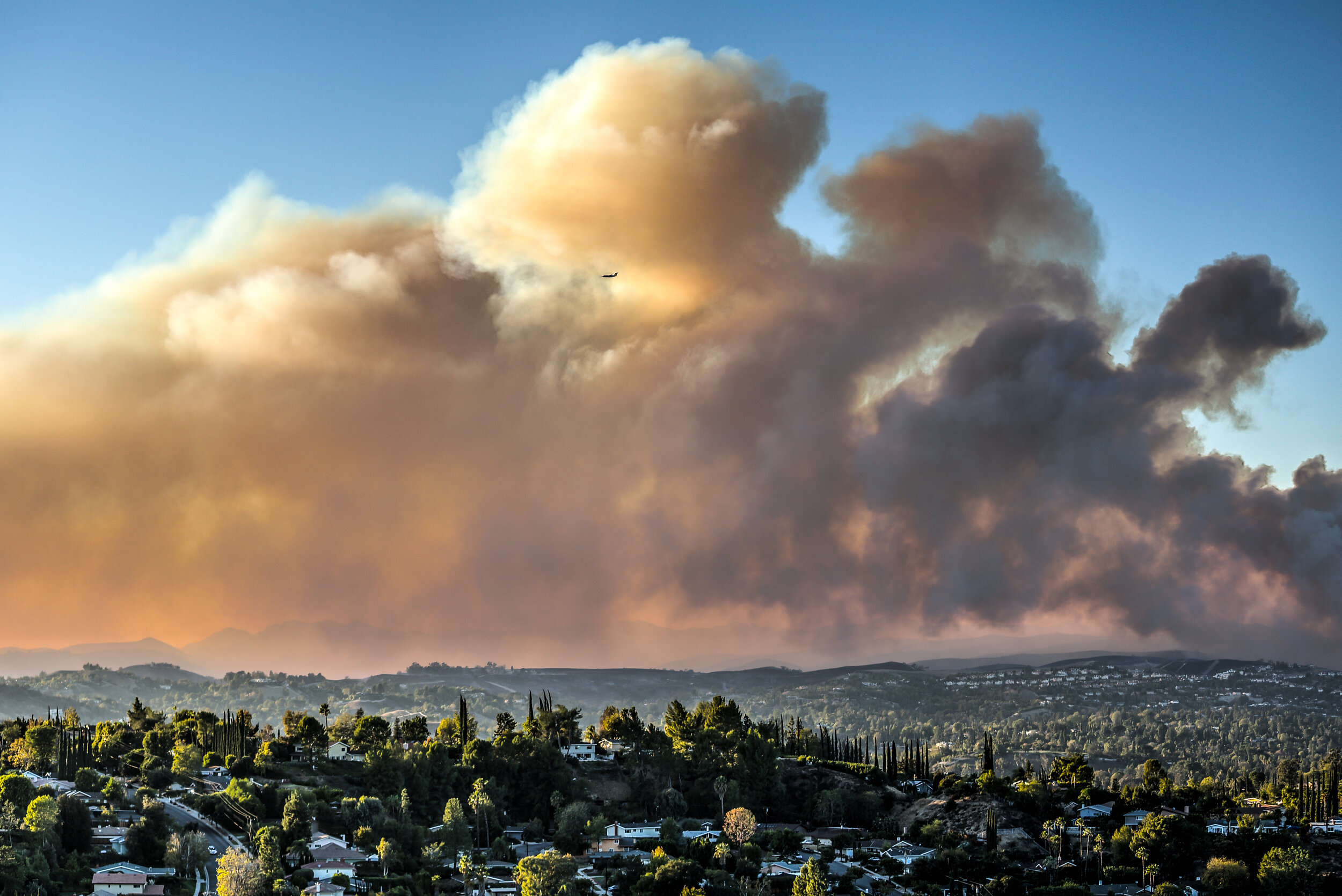
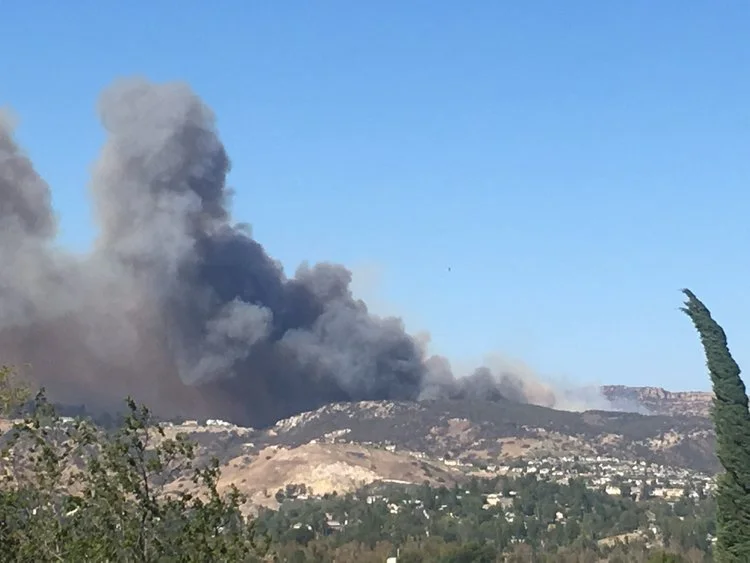
It’s published! One of our findings is that the Woolsey Fire caused radiation from the Santa Susana Field Lab (SSFL) to become airborne and travel as far as 9 miles into surrounding communities. So, then, what makes our study unique? We are proud to announce the publication…

When Hurricane Ida approached NOLA on Aug. 29th, Entergy’s Waterford Plant deliberately reduced its power level to zero.. However, even when a nuclear reactor produces zero power, it still relies upon electricity from the power grid…

A Japanese court has finally vindicated dozens of Japanese citizens suffering from radiation-related illnesses, who the Japanese government alleged lived too far from Nagasaki and Hiroshima to have been considered Hibakusha [victims of the two atomic bombs]…

The French and Chinese nuclear reactor Taishan Unit 1 is leaking radioactivity! Taishan Units 1 and 2 are also the first of their kind in China. Designed by Framatome Corporation in France, and now according to CNN, the reactors have created “an imminent radiological threat”…

By now, Fairewinds hopes that you are aware that an explosion at an Iranian nuclear enrichment plant has slowed Iran’s progress to enrich uranium. The crisis shows a very blurry line between Civilian Atomic Power and Military Atomic Bombs…

On this 10th commemoration of the Fukushima Dai-ichi disaster in Japan, our thoughts and hearts continue to be with those impacted by both the ongoing radioactive contamination throughout Japan as well as those permanently displaced since March 11, 2011…

As we approach the 10th commemoration of Japan’s March 11, 2011, Fukushima Dai-ichi triple meltdowns, organizations around the globe, including environmental groups, nonprofits (like us), engineering and pronuclear organizations, and media organizations like Japan’s Nippon TV, will release new information.

We recently received an excellent question from a Fairewinds reader who asked about an “unusual event” at Mississippi's Grand Gulf nuclear power plant. Thanks to the member of the Fairewinds community whose question prompted us to write this Blog Post…

Much like the Friday afternoon news-dump, almost no one watches, reads, or pays attention to the news during the holidays. Thanksgiving, Christmas, Hanukkah, Kwanzaa, New Year’s week are a time of family get-togethers, vacations, and travel…

According to the FBI's criminal investigation, First Energy (aka Energy Harbor since it came out of bankruptcy) is a regulated public utility that illegally used $61 Million in corporate funds to bribe energy regulators and state legislators in Ohio…

Let’s face it. 2020 was a pretty awful year! Political turmoil and COVID-19 seemed to dominate the news. As we enter December, days are still getting shorter, and they will not lengthen again until after Dec 21st. It’s darkest just before the dawn!

Today, as highlighted in a quick post-two-weeks ago, Fairewinds releases the data and links to the Journal of Environmental Engineering Science peer-reviewed article…
Fairewinds ongoing scientific research with Dr. Marco Kaltofen of WPI has been peer-reviewed and accepted for publication in the Journal of Environmental Engineering Science. As soon as the Journal of Environmental Engineering Science has an online preprint link available, Fairewinds will release details and a link to the publication…

Many years ago, I woke up on a Sunday morning to find three State Police Bomb Squad cars andone truck pulling a bomb disposal trailer parked on the lot next door to our home in rural Connecticut. The heavily wooded lot next door did not have a house on it…

Yes, Fairewinds tracks nuclear safety issues, and no, Boeing will not build Small Modular Reactors that fly. However, when most of my colleagues and I look at the Nuclear Regulatory Commission (NRC) and its supposedly thorough technical review…
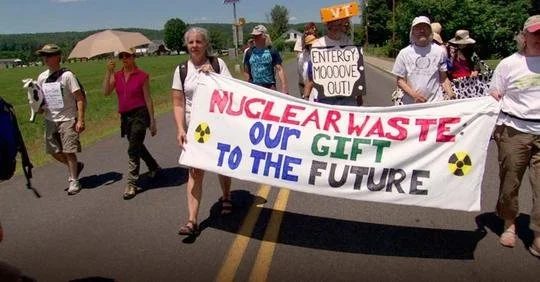
You heard correctly, this is your last opportunity to tell the Nuclear Regulatory Commission (NRC) to oppose the storage of nuclear waste at the proposed sites in Texas and New Mexico…

This week, Fairewinds Energy Education founder, Maggie Gundersen, joined Robert Manning, founder and organizer of VoteClimate2020.org, on Nuclear Hotseat with host, Libbe HaLevy…
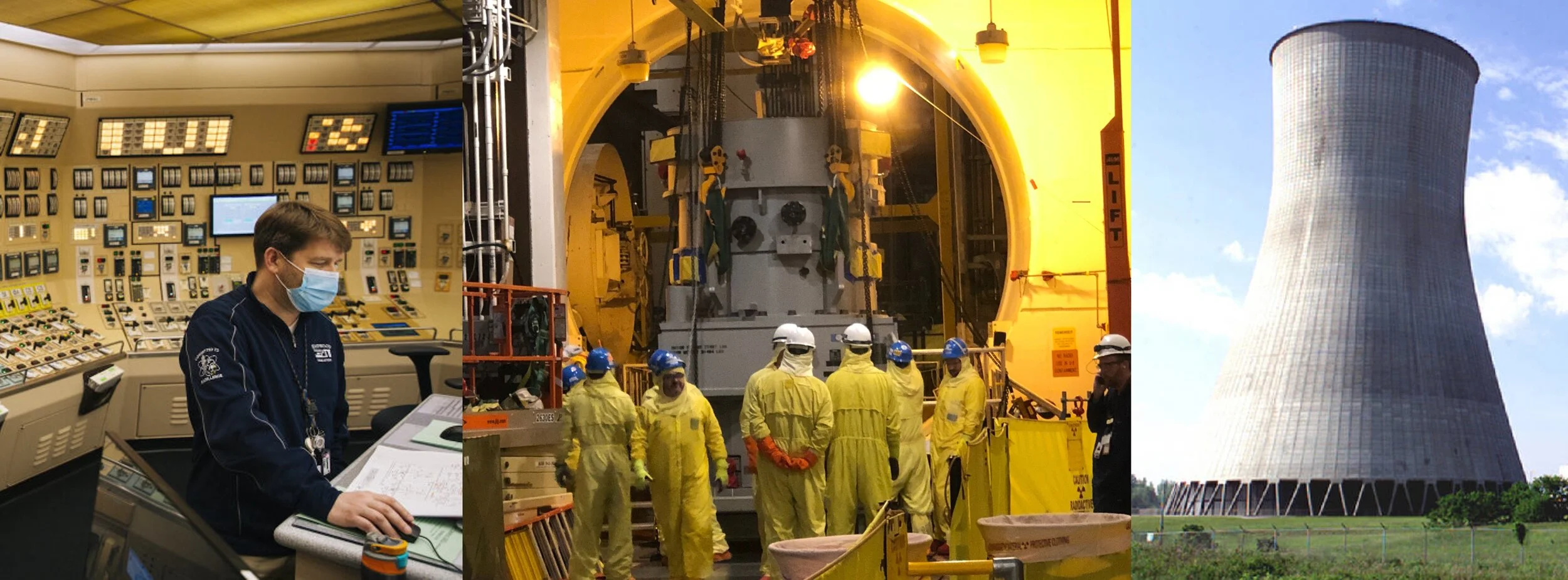
Did you know that nuclear plants close for scheduled refueling every 18-months, meaning that 1/3 of the operating reactors are off-line each spring and fall? For the record, more than three dozen reactors had planned to do so in 2020…

Climate challenges are nonpartisan!
More than 95% of the scientific community, as well as local community groups around the world, agree that the global climate crisis is real and imminent.
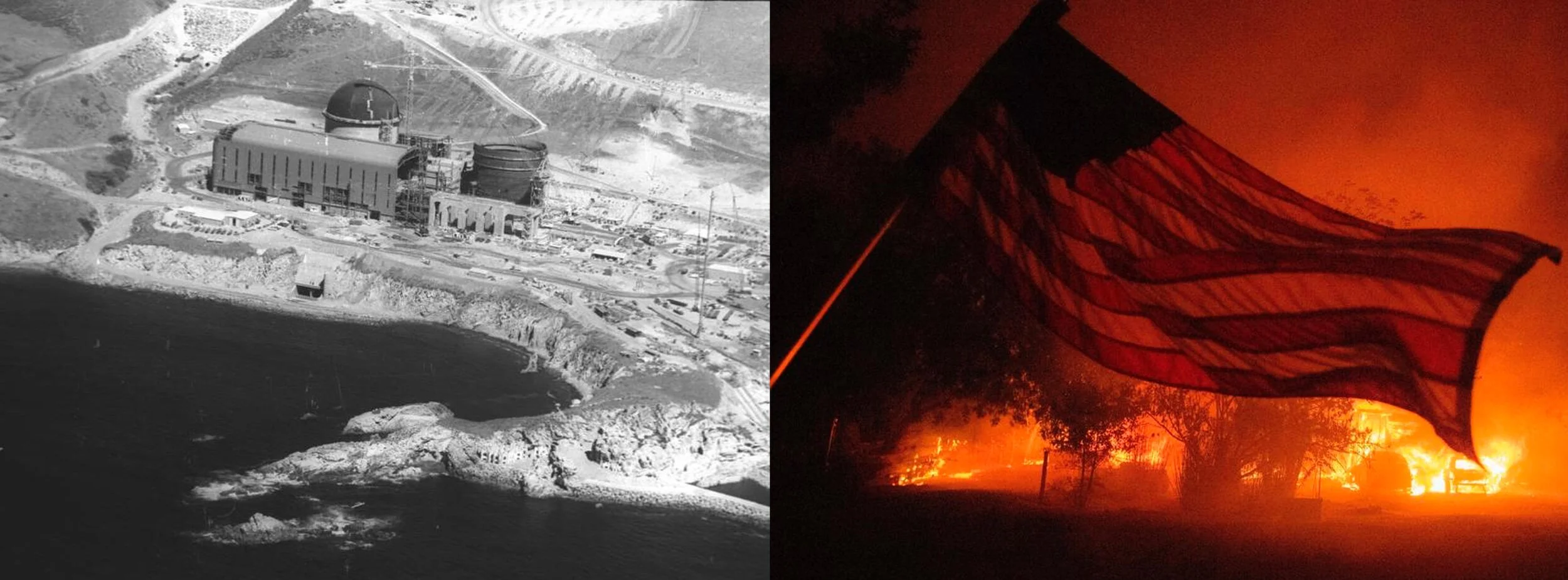
From the beginning, their design and fabrication were one fiasco after another that led to almost 20-years of construction delays, during which portions of one Diablo Canyon reactor were built backward…

Today, Fairewinds is talking about history –– world history and herstory about the choices governments make when waging war and not planning for peace. On August 6, 1945, during World War II, the United States was the only nation in the world to unleash the horror of the Atomic Bomb on the Japanese cities of Hiroshima and then on Nagasaki just three days later…

Today, Fairewinds is sharing several very personal essays and thoughts on our Demystifying Nuclear Power Blog and via Newsletter, Twitter, and Facebook. Several weeks ago, our friend and colleague, Dr. Norma Field, professor emeritus at the University of Chicago, published one of the best overviews any of us at Fairewinds has read about the impact of the meltdowns at the Fukushima…

We have accomplished so much this year. Fairewinds 2021 Annual Report contains the main highlights. Like all our other resources, it is Free to you and anyone visiting our website. Thank You for hanging in there with us!


Wildfire in radiologically contaminated zones is a global concern; contaminated areas around Chernobyl, Fukushima, Los Alamos, and the Nevada Nuclear Test Site have all experienced wildfires. In November 2018, the Woolsey Fire burned north of Los Angeles, CA, USA, potentially remobilizing radioactive contaminants at the former Santa Susana Field Laboratory, a shuttered nuclear research facility contaminated by chemical and radiochemical releases...

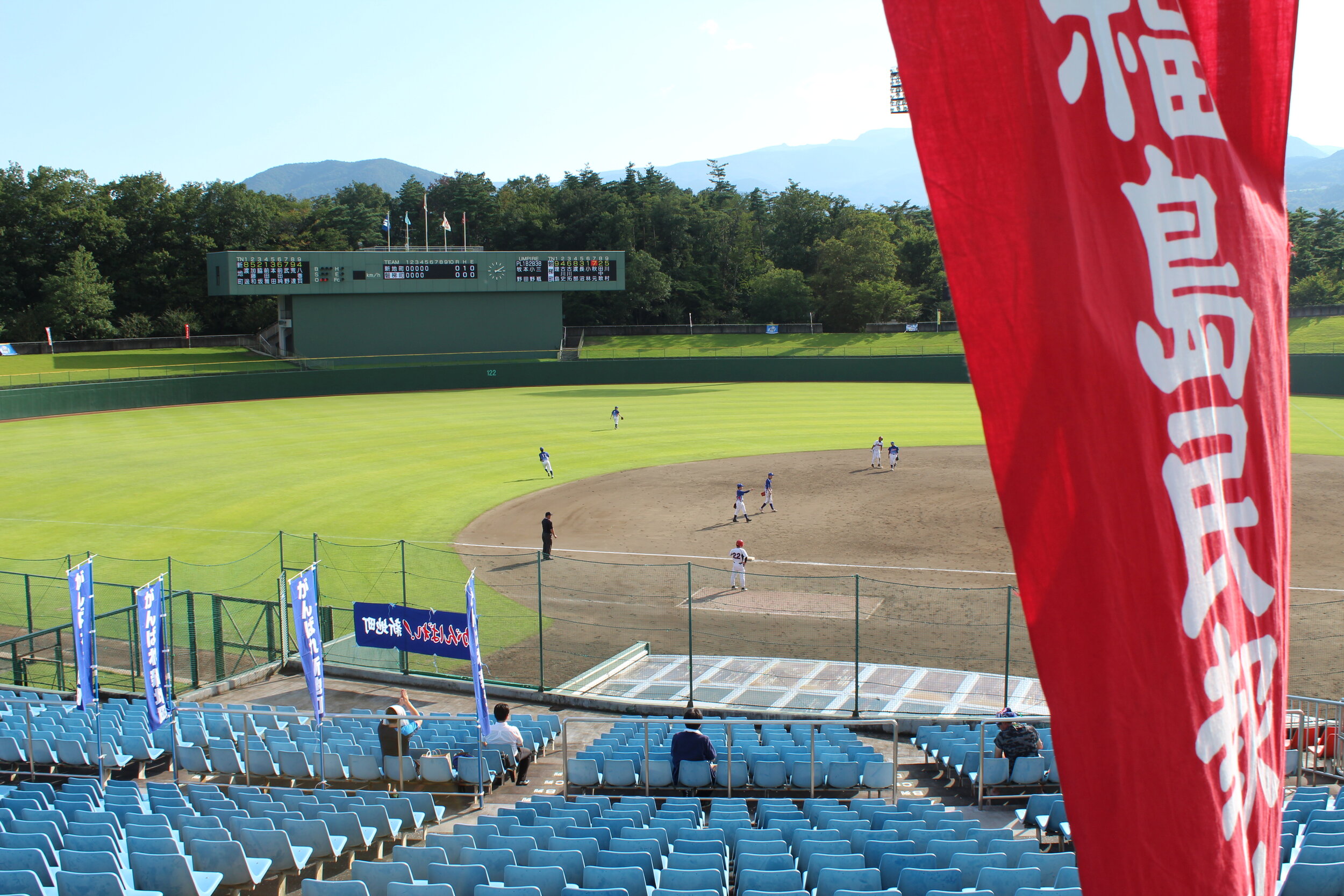
Study consisted of a total of 146 independent soil & dust samples collected from sites in Fukushima Prefecture, Greater Tokyo, and the heavily traveled corridors between these northern Japan locations to assess radiological contamination related to the Fukushima meltdowns and “detected modest radioactive contamination at Olympic venues in Japan, and found significant alpha-, beta-, and gamma-emitter contamination at Japan’s National Training Center.”
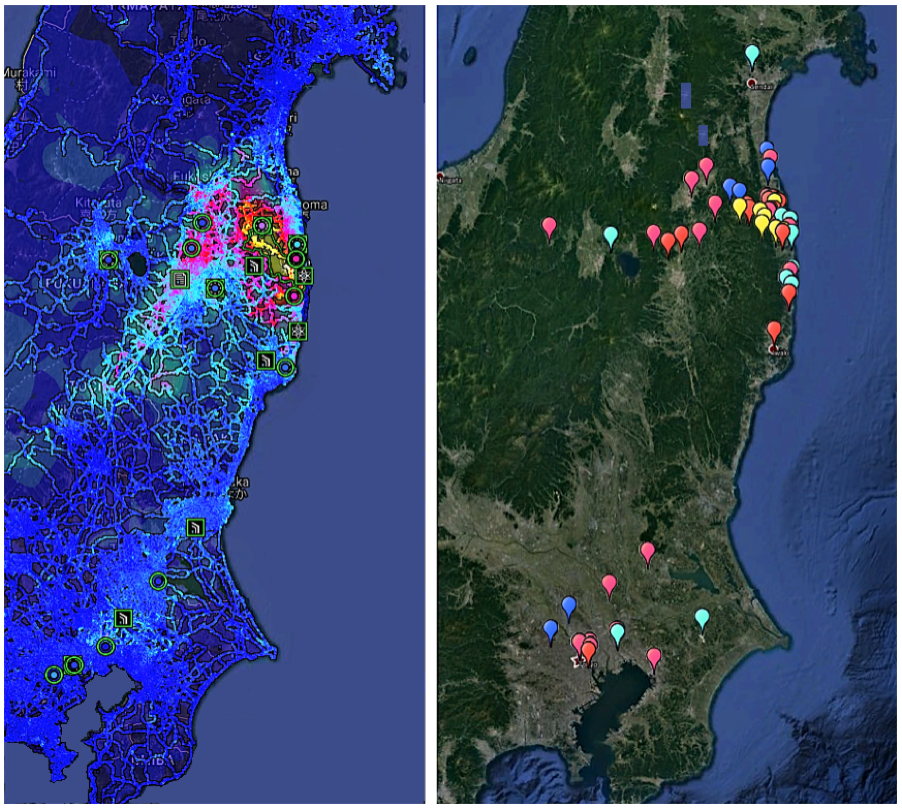
Co-authored by Dr. Marco Kaltofen, Worcester Polytechnic Institute (WPI), and Arnie Gundersen, Fairewinds Energy Education, the article details the analysis of radioactively hot particles collected in Japan following the Fukushima Dai-ichi meltdowns. Based on 415 samples of radioactive dust from Japan, the USA, and Canada, the study identified a statistically meaningful number of samples that were considerably more radioactive than current radiation models anticipated…
Just click (above) and add eligible items to your cart.

Recent federal indictments prove how utility executives use marketing ploys and employment bait to grab atomic power subsidies by threatening poor, black, Hispanic, and indigenous communities with plant closures. This use of marketing ploys and employment bait to relax regulations and increase graft is radioactive racism. Welcome to Fairewinds Meltdowns & Shakedowns series…
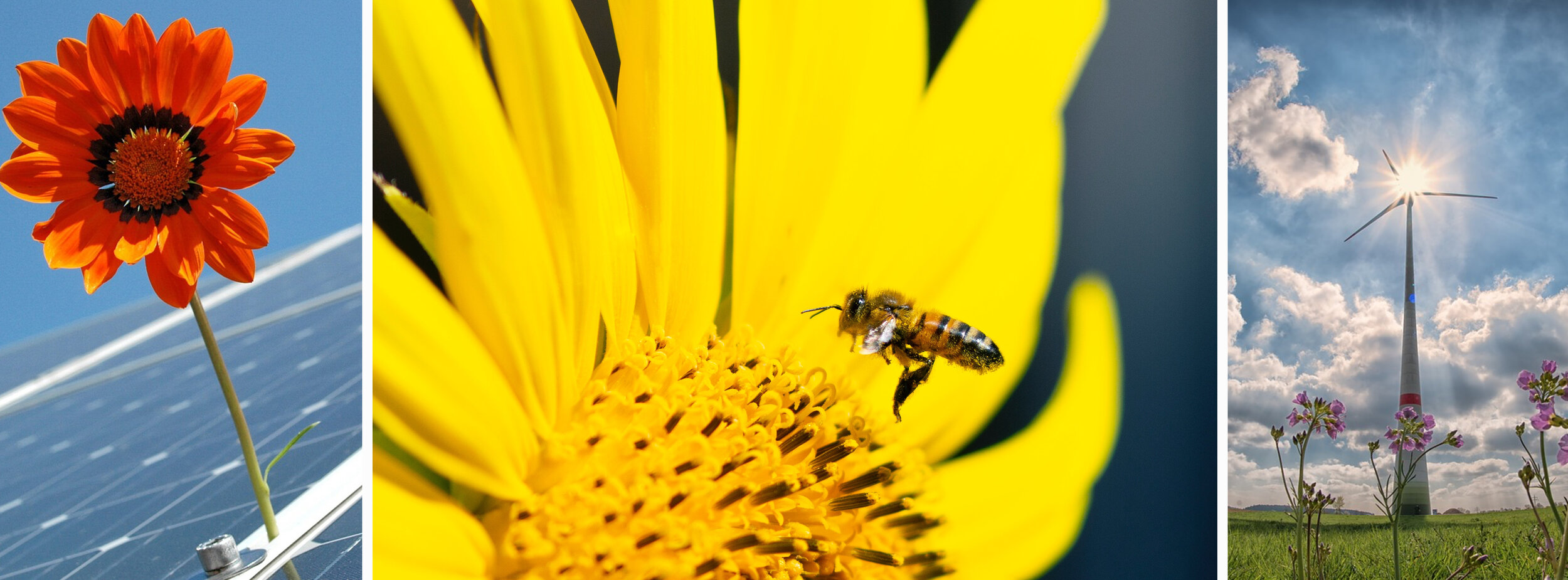
On this 10th commemoration of the Fukushima Dai-ichi disaster in Japan, our thoughts and hearts continue to be with those impacted by both the ongoing radioactive contamination throughout Japan as well as those permanently displaced since March 11, 2011…
As we approach the 10th commemoration of Japan’s March 11, 2011, Fukushima Dai-ichi triple meltdowns, organizations around the globe, including environmental groups, nonprofits (like us), engineering and pronuclear organizations, and media organizations like Japan’s Nippon TV, will release new information.
Today, Fairewinds is sharing several very personal essays and thoughts on our Demystifying Nuclear Power Blog and via Newsletter, Twitter, and Facebook. Several weeks ago, our friend and colleague, Dr. Norma Field, professor emeritus at the University of Chicago, published one of the best overviews any of us at Fairewinds has read about the impact of the meltdowns at the Fukushima…
I have never experienced so many people wearing protective masks on the Shinkansen high-speed train, as I did at the end of January 2020, when I traveled from northern Japan to the airport in Tokyo. The news of the coronavirus outbreak was just starting to dominate the media…

The six atomic power reactors at the Fukushima Daiichi nuclear site were severely damaged 9-years ago when a Richter 9 earthquake in the Pacific Ocean occurred at 2 p.m. on March 11, 2011 ravaging the nuclear reactors, flooding safety systems, and causing three atomic power meltdowns…

At Least 14 levees broke in Fukushima Prefecture. News outlets worldwide are reporting that at least 66 residents of Japan have died as a result of Typhoon Hagibis. Our hearts reach out to the people of Japan and the families of the deceased.

Fukushima Daiichi’s radioactive waste is on the move again as Hagibis, the worst typhoon to hit Japan since 1958, dropped 30” of rain in 24 hours and millions of people were forced to evacuate from the flooding.

Recently, after Forbes Magazine published an opinion piece entitled, It Sounds Crazy, But Fukushima, Chernobyl, And Three Mile Island Show Why Nuclear Is Inherently Safe, a number of Forbes’ readers called and continue to write Fairewinds Energy Education to ask us if this opinion piece is true. Quite frankly, the article is an infomercial for the nuclear industry: it twists data in order to paint a rosy picture of nuclear energy.

To begin Part 2, let’s talk about the scientific studies that Dr. Marco Kaltofen and I began together back in 2012. Before the ongoing catastrophe created by the Fukushima meltdowns, the maximum allowable radiation exposure to civilians worldwide emanating from commercial atomic power reactors was 100 millirem per year (1 milli Sievert per year).

As we prepare for the eighth remembrance of the March 11, 2011 earthquake, tsunami and triple meltdowns at Fukushima Daiichi, Fairewinds is ever mindful of what is currently happening in Japan.

Our friends at the Ecological Options Network (EON) recently released a short video in which Denise Duffield of Physicians for Social Responsibility in LA (PSR-LA) brilliantly describes the spread of radiation from the Santa Susanna Field Lab (SSFL) near Los Angeles and Malibu.

As the Woolsey Fire burned and spread from the northeast to the western California shore at Malibu Beach, state and federal authorities immediately claimed there was no radiation risk to the public. That may turn out to be fact, but without any thorough scientific testing, we believe that this is wishful thinking. Official statements made during a major emergency to calm the public are no substitute for rigorous scientific analysis.
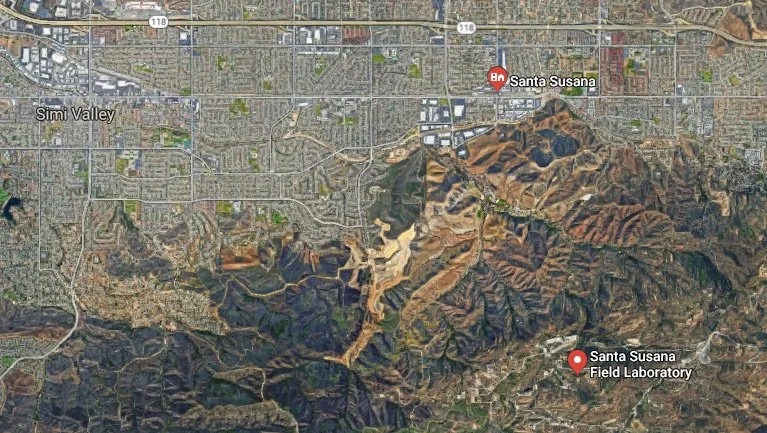
The third set of samples have arrived and are in the lab for processing. These samples are from sites around Simi Valley, CA. Samples include soils, dusts and a car engine filter.


People from all over the U.S. and most especially California have written and called us asking Fairewinds Energy Education to help determine whether Californians are at risk from migrating Santa Susana radioactivity from the 97,000 acres destroyed by the Woolsey Fire. We don’t know that answer, but we are helping Californians find it.

Georgia Nuclear: Vogtle Unit 3 Is Sinking! [BREDL Petition], What Does the Leaning Tower of Pisa Have In Common with the Vogtle Nuclear Reactor? If you are a regular reader of our Demystifying Nuclear Power Blog, you know that the Fairewinds Crew posted this article on May 14, 2020, and if you have not read the article, you may wish to do so prior to reading Vogtle Unit 3 – The Atomic Empire Strikes Back.

Today the Blue Ridge Environmental Defense League announced it had filed further legal arguments in its campaign against safety risks at Plant Vogtle. In reply to Southern Nuclear Operating Company’s opposition to BREDL’s standing to intervene, the group filed statements…
![Georgia Nuclear: Vogtle Unit 3 Is Sinking! [BREDL Petition]](https://images.squarespace-cdn.com/content/v1/54aac5e4e4b0b6dc3e1f6866/1615226468302-ZNARQLYH5F6WERTDA5F9/Pisa-Vogtle-header.png)
The famous tower in Pisa, Italy was designed to stand straight up, and like Vogtle, it began to lean during construction. During the ensuing years after construction, the Pisa tower continued to sink into the ground due to the inability of the failing foundation to sustain the tower’s heavy weight. Similarly, the Vogtle Unit 3 nuclear power plant was designed to be straight…

On May 11, 2020, Blue Ridge Environmental Defense League (BREDL) filed a petition to intervene before the US Nuclear Regulatory Commission (NRC) and request a hearing to present opposition to the granting of licensure to Souther Nuclear Operating Company (SNC).