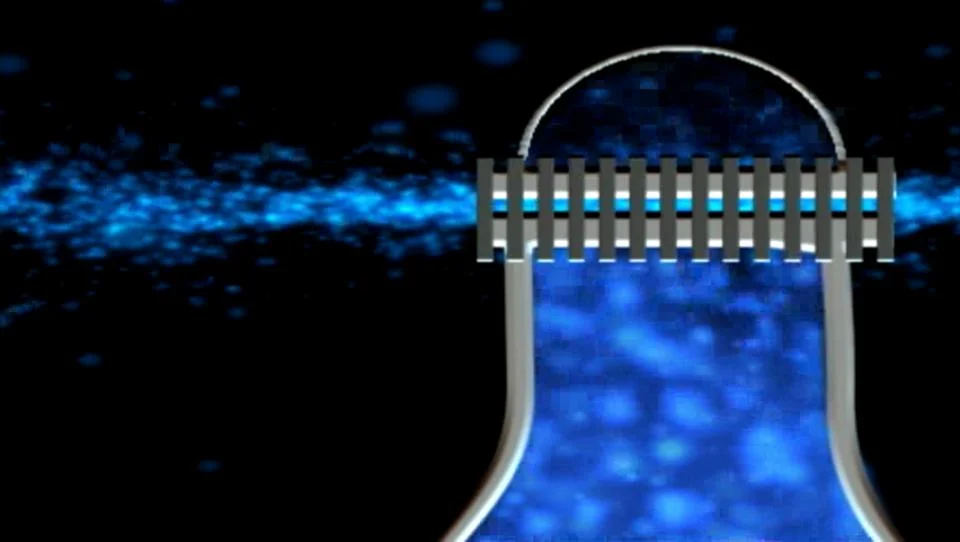
More Lessons From the Fukushima Daiichi Accident: Containment Failures and the Loss of the Ultimate Heat Sink
/
In this Monday's video, Fairewinds investigates a recently released report from Tokyo Electric. Arnie Gundersen discusses TEPCO's latest analysis that, almost two years after the accident, fully substantiates Fairewinds long held position that the explosion at Fukushima Daiichi Unit 3 was the result of a detonation shock wave. Arnie also discusses troubling reports that the Nuclear Regulatory Commission has been avoiding the analysis of damage to many nuclear plants' emergency cooling systems (Ultimate Heat Sink) from storm surges, tsunamis or dam failures. The ramifications of both of these issues on old designs and also the AP1000 are also analyzed in depth.
Read More